








-
Kumba Aarti for Temple DeeparadhanaDescription Kumba Aarti is a sacred devotional item used in traditional aarti rituals, inviting divine light, purity, and spiritual blessings into daily worship. Spiritual Significance It represents the holy kalasha symbol, bringing auspicious energy, prosperity, and divine grace into the home and temple. How...
- ₹ 1,031
-
₹ 1,135 - ₹ 1,031
- Unit price
- per
Save ₹ 104 -
Kumba Aarti Plain for Daily Puja RitualsDescription Kumba Aarti Plain is a simple yet sacred devotional item used for traditional aarti rituals, bringing divine light, purity, and peaceful energy into worship. Spiritual Significance It represents the sacred kalasha symbol, inviting auspicious blessings, prosperity, and divine presence into the pooja space....
- From ₹ 2,742
-
₹ 2,896 - From ₹ 2,742
- Unit price
- per
Save ₹ 154 -
Kumba Aarti Design for Festival WorshipDescription Kumba Aarti Design is a beautifully crafted devotional item used in traditional aarti rituals, bringing divine light, purity, and sacred blessings to worship. Spiritual Significance It symbolizes sacred kalasha energy, inviting prosperity, positivity, and divine grace into the home and pooja space. How...
- From ₹ 2,366
-
₹ 2,766 - From ₹ 2,366
- Unit price
- per
Save ₹ 400 -
Kumba Deepam Aarti Plate for Temple PujaDescription Kumba Deepam Aarti Plate is a traditional worship plate used for offering sacred light during pooja, symbolizing devotion, purity, and divine blessings. Spiritual Significance The sacred flame represents the removal of negativity and the invocation of divine grace, creating an auspicious atmosphere during...
- From ₹ 3,668
-
₹ 3,789 - From ₹ 3,668
- Unit price
- per
Save ₹ 121 -
Deepa Aarti 5 Kilai for Daily Puja WorshipDescription Deepa Aarti 5 Kilai is a traditional five-flame aarti lamp used during pooja rituals to offer sacred light and devotion to the divine. Spiritual Significance The five flames symbolize purity, divine energy, and the illumination of the five elements, inviting blessings and spiritual...
- ₹ 763
-
₹ 850 - ₹ 763
- Unit price
- per
Save ₹ 87 -
Deepa Aarti 7 Kilai for Temple Ritual UseDescription Deepa Aarti 7 Kilai is a traditional seven-flame aarti lamp used in sacred worship to offer divine light and devotion during pooja rituals. Spiritual Significance The seven flames symbolize spiritual illumination, divine blessings, and positive energy, creating a sacred atmosphere for prayer and...
- ₹ 980
-
₹ 1,080 - ₹ 980
- Unit price
- per
Save ₹ 100 -
Karpoor Aarti 5 Kilai for Daily Camphor WorshipDescription Karpoor Aarti 5 Kilai is a traditional camphor aarti lamp with five holders, used to offer sacred light and devotion during pooja rituals. Spiritual Significance The five flames represent purity and divine energy, while burning camphor symbolizes the removal of negativity and the...
- From ₹ 664
-
₹ 750 - From ₹ 664
- Unit price
- per
Save ₹ 86 -
Karpoor Aarti 7 Kilai for Temple DeeparadhanaDescription Karpoor Aarti 7 Kilai is a traditional camphor aarti lamp designed for devotional worship and sacred rituals, bringing divine light and spiritual positivity. Spiritual Significance The seven-flame design symbolizes auspicious energy, purity, and the offering of devotion to the divine during daily pooja...
- From ₹ 826
-
₹ 989 - From ₹ 826
- Unit price
- per
Save ₹ 163 -
Adukku Deepam Aarti 3 Step for Festival PujaDescription The Adukku Deepam Aarti 3 Step is a traditional multi-tier lamp used during pooja and aarti, symbolizing divine light, devotion, and spiritual prosperity. Spiritual Significance Lighting this sacred deepam is believed to remove negativity, invite divine blessings, and fill the surroundings with positive...
- From ₹ 1,310
-
₹ 1,589 - From ₹ 1,310
- Unit price
- per
Save ₹ 279 -
Adukku Deepam Aarti 5 Step for DeeparadhanaDescription Adukku Deepam Aarti 5 Step is a traditional multi-tier oil lamp used in poojas and festivals, symbolizing divine light, purity, and spiritual awakening. Spiritual Significance The five-step deepam represents divine energy, removal of darkness, and the presence of auspicious blessings in the home...
- From ₹ 1,940
-
₹ 2,153 - From ₹ 1,940
- Unit price
- per
Save ₹ 213 -
Adukku Deepam Aarti 7 Step for Temple WorshipDescription Adukku Deepam Aarti 7 Step is a traditional multi-tier lamp used during aarti, bringing divine light and sacred energy to devotional rituals. Spiritual Significance The seven flames symbolize spiritual awakening, purity, and the removal of negativity while inviting divine blessings and prosperity. How...
- From ₹ 2,218
-
₹ 2,319 - From ₹ 2,218
- Unit price
- per
Save ₹ 101 -
Natchathira Aarti for Temple Deeparadhana UseDescription Natchathira Aarti is a traditional star-shaped sacred aarti plate used in devotional worship, symbolizing divine light and spiritual purity. Spiritual Significance The star design represents cosmic energy and divine blessings, bringing harmony, positivity, and auspicious vibrations during pooja rituals. How to Use Place...
- ₹ 3,176
-
₹ 3,259 - ₹ 3,176
- Unit price
- per
Save ₹ 83 -
Eaaga Aarti Home for Divine WorshipDescription Eaaga Aarti Home is a sacred devotional item used in daily pooja and aarti rituals, bringing divine light, purity, and spiritual peace to the home. Spiritual Significance It symbolizes divine presence and auspicious energy, inviting blessings, positivity, and harmony into the worship space....
- From ₹ 140
-
₹ 199 - From ₹ 140
- Unit price
- per
Save ₹ 59 -
Eaaga Aarti for Sacred DeeparadhanaDescription Eaaga Aarti is a traditional devotional item used during pooja rituals to offer sacred light and prayers, creating a spiritually uplifting atmosphere. Spiritual Significance Offering aarti symbolizes devotion, gratitude, and the removal of negativity while inviting divine blessings, purity, and positive energy. How...
- From ₹ 470
-
₹ 499 - From ₹ 470
- Unit price
- per
Save ₹ 29 -
Udupi Pancha Arthi - 5 FaceDescription Udupi Pancha Arthi is a traditional devotional pooja accessory used for performing aarti and mangala aarti during Hindu worship. Aarti is the ritual offering of light before the deity and is performed in homes, temples, and during religious occasions. The Pancha Arthi design...
- ₹ 564
-
₹ 1,135 - ₹ 564
- Unit price
- per
Save ₹ 571 -
Dhoop Pancha Arthi - 5 FaceDescription Dhoop Pancha Arthi is a traditional devotional pooja item used during dhoop offering, aarti, and daily worship rituals. It is suitable for offering sacred dhoop and performing devotional rituals before the deity in homes, temples, and during religious occasions. Its traditional design makes...
- ₹ 565
-
₹ 1,135 - ₹ 565
- Unit price
- per
Save ₹ 570 -
Pancha Aarti for Sacred Ritual WorshipDescription Pancha Aarti is a traditional five-flame aarti lamp used during worship to offer sacred light and devotion to deities. Spiritual Significance The five flames symbolize the five elements of nature and represent divine energy, purity, and spiritual harmony during rituals. How to Use...
- From ₹ 255
-
₹ 290 - From ₹ 255
- Unit price
- per
Save ₹ 35 -
Sangu and Chakra Arthi For Temple FestivalsDescription Sangu Arthi for Temple and Chakra Arthi for Temple are traditional devotional aarti accessories designed for use during temple pooja, daily worship, special ceremonies, and religious occasions. Their traditional forms are suitable for offering light before the deity as part of the aarti...
- From ₹ 1,405
-
₹ 1,135 - From ₹ 1,405
- Unit price
- per
Save ₹ -270 -
Nei Deepa Aarti for Sacred Lamp WorshipDescription Nei Deepa Aarti is a sacred ghee lamp offering used in daily pooja, bringing divine light, purity, and peaceful blessings into your home. Spiritual Significance Lighting Nei Deepam symbolizes removal of darkness and inviting divine energy, prosperity, and spiritual awakening. How to Use...
- ₹ 1,398
-
₹ 1,490 - ₹ 1,398
- Unit price
- per
Save ₹ 92 -
Pancha Aarti Set - 5 pieces for Temple and Festival PujaDescription Pancha Aarti Set - 5 Pieces is a traditional worship set used to perform sacred aarti rituals, symbolizing devotion, purity, and divine reverence. Spiritual Significance The set represents complete worship offerings and helps invoke divine blessings, positivity, and spiritual harmony during rituals. How...
- ₹ 2,217
-
₹ 2,345 - ₹ 2,217
- Unit price
- per
Save ₹ 128 -
Bommai Aarti for Divine Deeparadhana RitualsDescription Bomma Aarti is a sacred devotional offering used in pooja rituals, symbolizing divine presence, purity, and heartfelt worship. Spiritual Significance Bomma Aarti represents devotion and surrender to the divine, inviting peace, blessings, and positive spiritual energy into life. How to Use Light the...
- ₹ 1,344
-
₹ 1,480 - ₹ 1,344
- Unit price
- per
Save ₹ 136 -
Aarti Plate with Agal for Daily Deepa PujaDescription Arti Plate with Agal is a traditional pooja accessory used for performing aarti and offering light during daily worship and sacred rituals. Spiritual Significance The sacred flame symbolizes divine energy, purity, and blessings, creating a spiritually uplifting atmosphere during worship. How to Use...
- ₹ 528
-
₹ 590 - ₹ 528
- Unit price
- per
Save ₹ 62 -
Aarti Plate for Daily Puja RitualsDescription Aarti Plate is a sacred pooja essential used for offering light and devotion to deities, symbolizing faith, purity, and divine worship during rituals. Spiritual Significance The Aarti Plate represents the surrender of ego and illumination of the inner soul through divine light offered...
- From ₹ 874
-
₹ 989 - From ₹ 874
- Unit price
- per
Save ₹ 115
Aarti Items: Karpoora, Kumba, Deepa & Natchathira Aarti




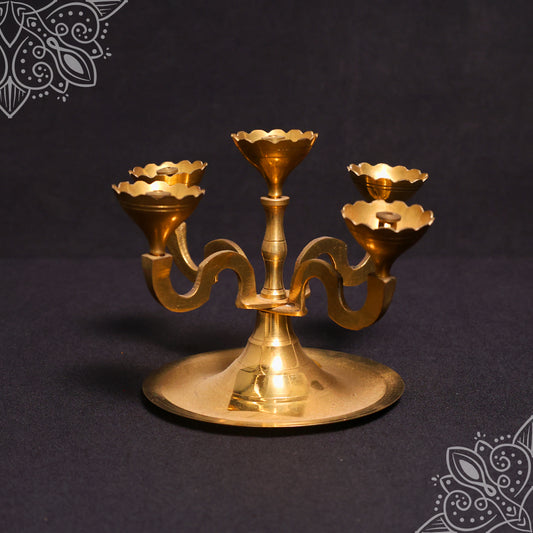

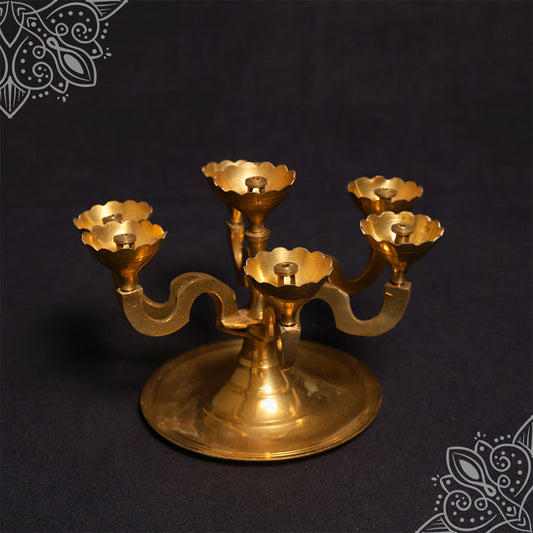

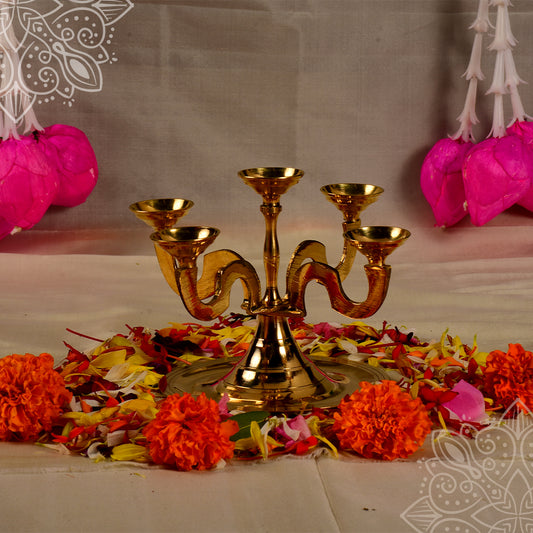

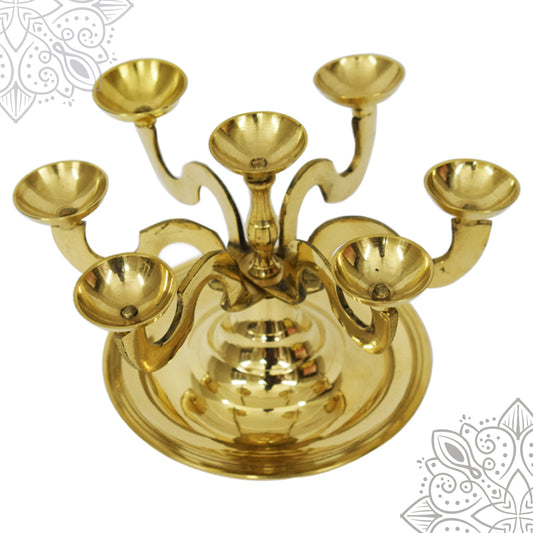

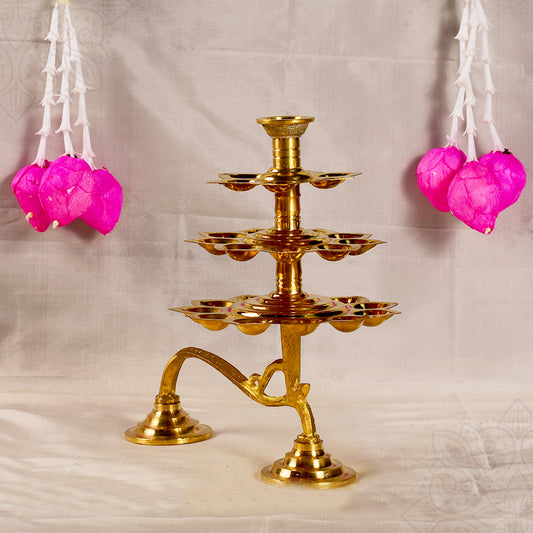

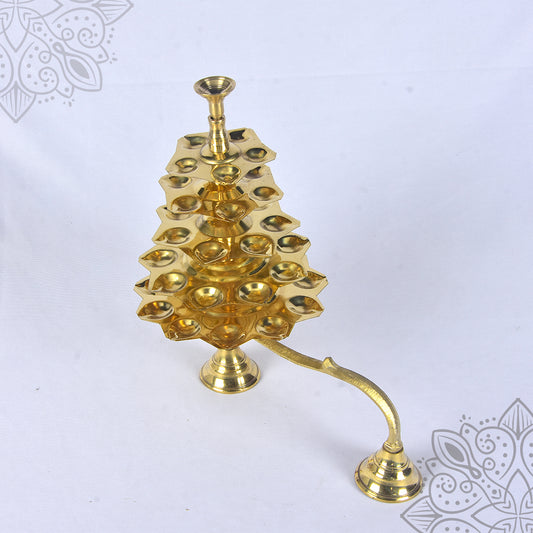

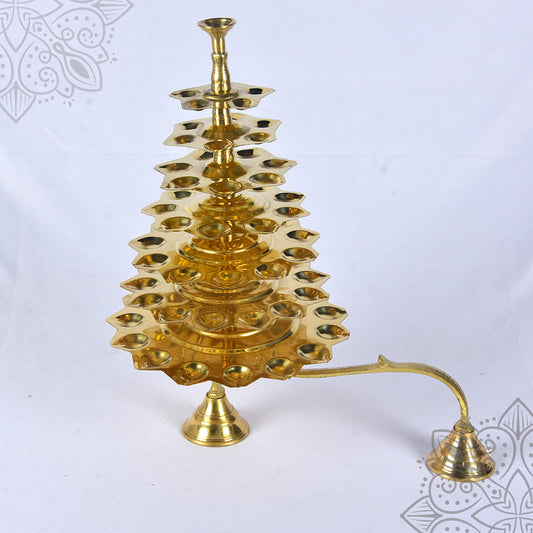

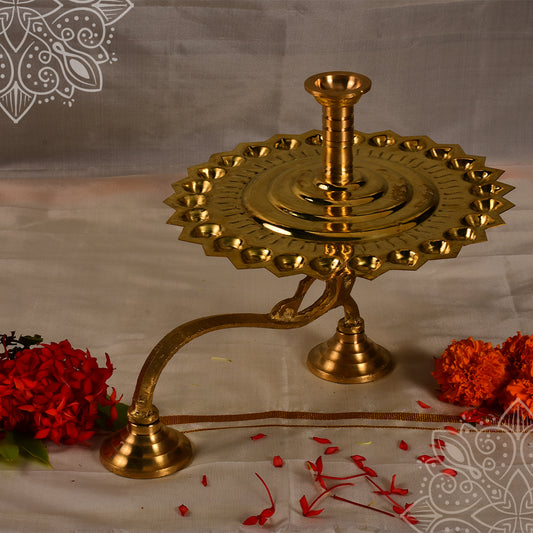

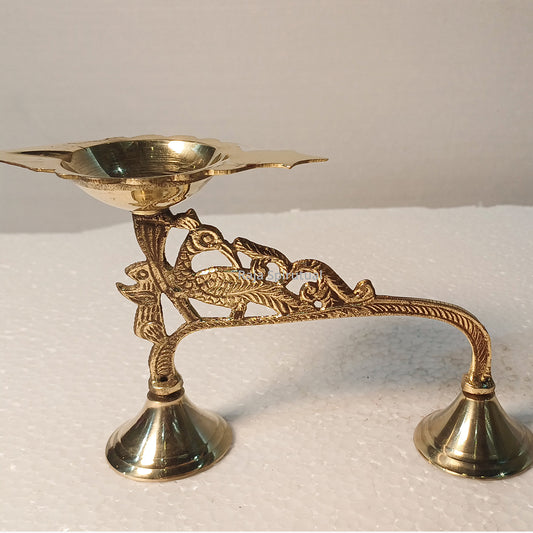

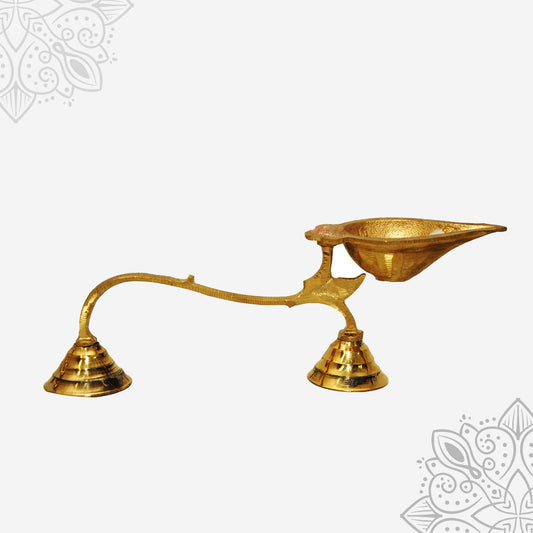


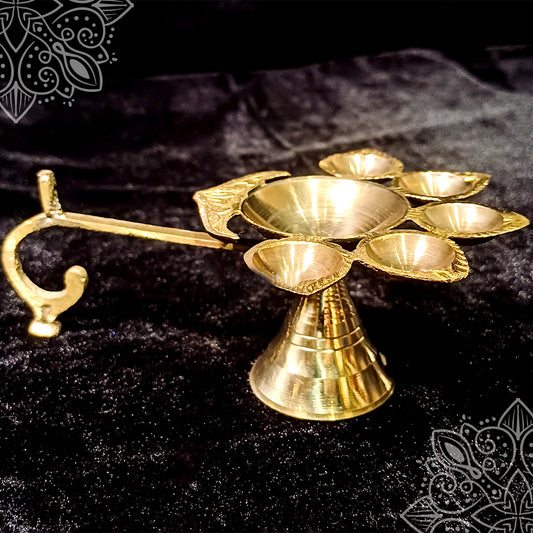


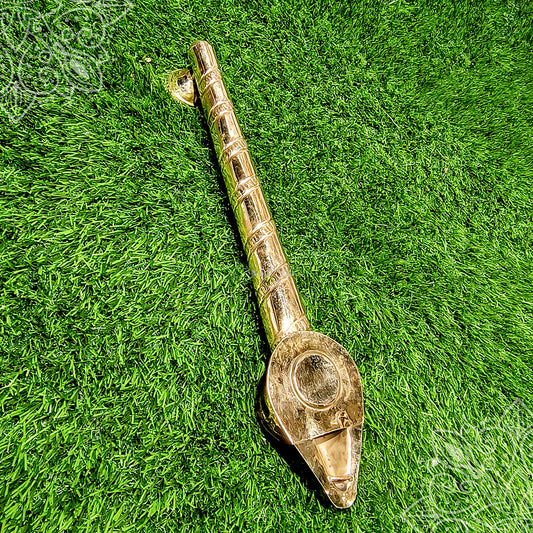

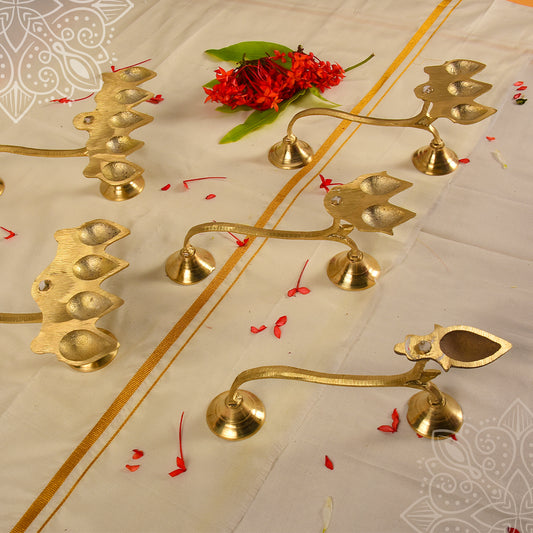

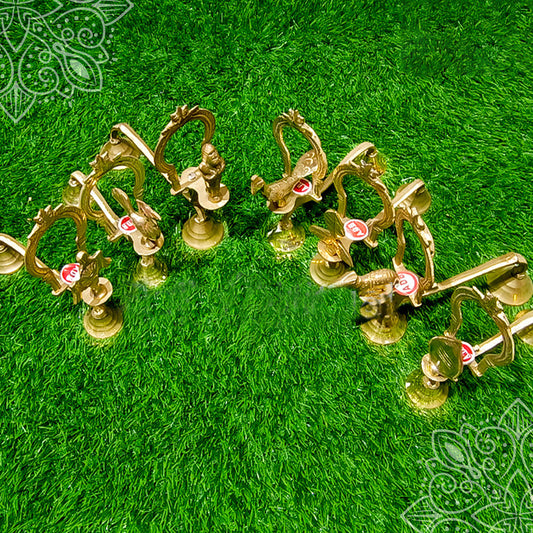

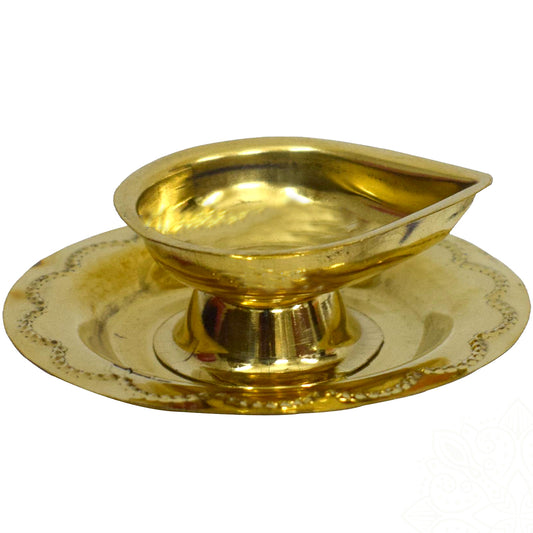


Brass Aarti Lamps for Deeparadhana: Choosing the Right Type for Your Ritual
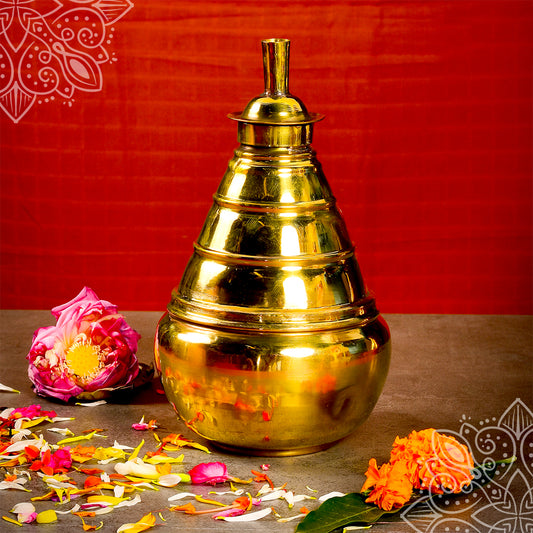
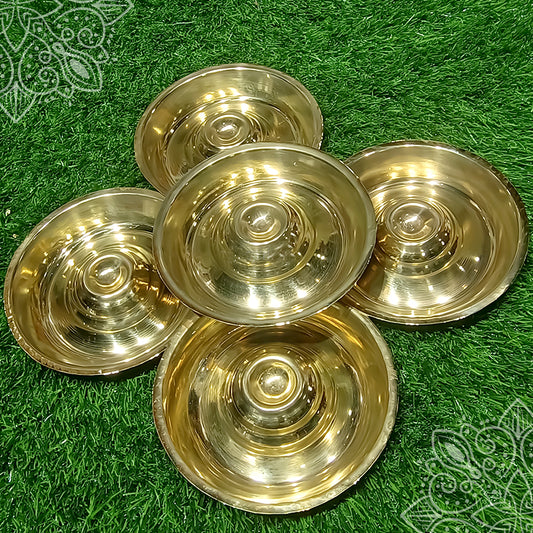
Aarti items are the brass lamps used for deeparadhana, the circling of a lit flame before the deity as part of daily worship, and the type used depends on what the ritual calls for. A karpoora aarti burns camphor directly and is the most common choice for a quick, ash-free aarti. A kumba aarti is pot-shaped and typically paired with abhishekam-style or Devi-focused worship. A deepa aarti is the standard oil-wick lamp used in daily temple and home rituals. A natchathira aarti is star-shaped, used for more elaborate or festival-level deeparadhana. This collection covers all four, in 5 and 7 kilai designs, for temples, priests and home devotees setting up or restocking a full aarti set.
Aarti-Type Comparison Table
|
Aarti Type |
Shape / Design |
Typically Used For |
Kilai Options |
|
Karpoora Aarti |
Flat camphor holder |
Daily aarti, quick deeparadhana, ash-free |
Usually single-kilai |
|
Kumba Aarti |
Pot (kumbham) shaped |
Abhishekam-linked worship, Devi pooja |
5 or 7 kilai |
|
Deepa Aarti |
Standard oil-wick lamp |
Daily temple and home deeparadhana |
5 or 7 kilai |
|
Natchathira Aarti |
Star (natchathiram) shaped |
Festival or elaborate deeparadhana |
5 or 7 kilai |
Guide: Choosing Aarti Items
- Start with the ritual, not the shape. Daily home or temple aarti usually calls for a karpoora aarti (for a quick camphor-only aarti) or a deepa aarti (oil-wick, for a fuller deeparadhana). Most sets include both rather than choosing one over the other.
- Kumba aarti is tied to abhishekam and Devi worship specifically. Its pot shape (kumbham) is traditionally used where the aarti follows an abhishekam or is part of Devi-focused ritual, rather than as a general everyday item.
- Natchathira aarti is for more elaborate, festival-level deeparadhana. Its star shape (natchathiram) with multiple wick points suits a fuller, more ceremonial aarti, used at festivals or larger temple functions rather than a quick daily one.
- Kilai refers to the number of wick branches, and more isn't automatically better. A 5-kilai aarti suits daily home or smaller temple use; a 7-kilai aarti is fuller and more commonly used at temples for festival or larger deeparadhana. Match the kilai count to how elaborate the ritual is meant to be, not just to size.
- A temple's daily deeparadhana set is usually a combination, not one item. Most temples stock a karpoora aarti and a deepa aarti for daily use, with kumba and natchathira aarti added for specific rituals or festival days.
For the rest of your daily worship setup, see Vilakku/Lamp for standing and altar lamps, Temple Bell for the entrance bell, and Puja Samagri for camphor, wicks and other daily ritual items.
FAQs
1. What are the different types of aarti items?
The main types are karpoora aarti (camphor lamp), kumba aarti (pot-shaped, tied to abhishekam and Devi worship), deepa aarti (standard oil-wick lamp), and natchathira aarti (star-shaped, for festival-level deeparadhana).
2. What does kilai mean, and how many should an aarti have?
Kilai refers to the number of wick branches on the aarti lamp. A 5-kilai aarti suits daily home or smaller temple use, while a 7-kilai aarti is fuller and more commonly used for festival or larger deeparadhana. The right count depends on how elaborate the ritual is.
3. What is kumba aarti used for?
Kumba aarti is pot-shaped (kumbham) and traditionally used where the aarti follows an abhishekam or is part of Devi-focused worship, rather than as a general daily item.
4. What is natchathira aarti?
It's a star-shaped (natchathiram) aarti lamp with multiple wick points, used for more elaborate or festival-level deeparadhana rather than a quick daily aarti.
5. Which aarti items does a temple need for daily deeparadhana?
Most temples use a karpoora aarti and a deepa aarti for daily deeparadhana, and add a kumba or natchathira aarti for specific rituals, Devi worship, or festival days.
Explore Related Temple & Puja Collections:
donation box for temple | kalasa sombu | soolam | automatic arti machine for temple | temple umbrella | star mirror for temple | pooja samagri online | deity clothes | deity jewellery | anaya deepam | kuthu vilakku | temple bell | temple interior design

Handcrafted with care

Customisation Done

Temple interior Specialist
- Choosing a selection results in a full page refresh.
