








-
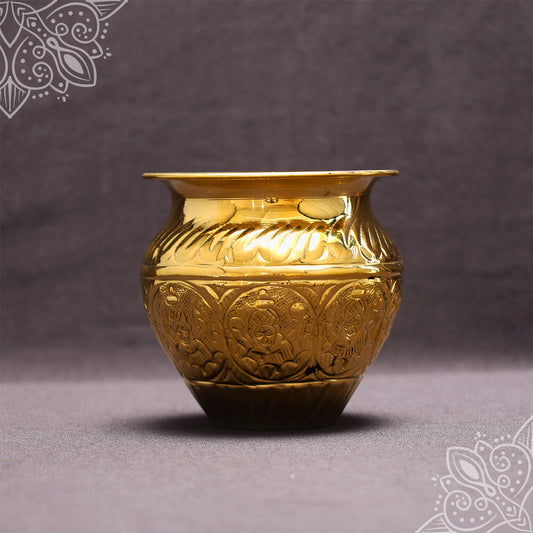
Brass Astalakshmi Kudam for Puja RitualsThe Brass Astalakshmi Kudam is a brass pot used in kalasa setup and larger devotional ceremonies. It's available in No.3, No.4, No.5 and No.7 Mittal sizes to suit different ritual scales. Spiritual Significance A filled kudam placed at the start of a ceremony is...
- From ₹ 1,297
-
₹ 1,430 - From ₹ 1,297
- Unit price
- per
Save ₹ 133 -
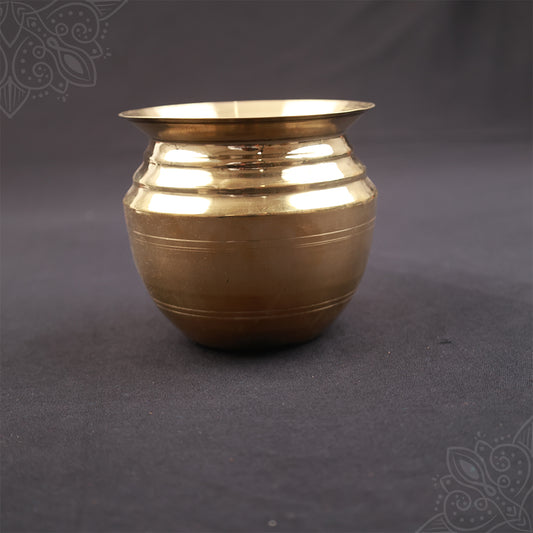
Kudam Brass for Puja and Abhishekam UseThe Kudam Brass is a brass pot used in kalasa setup and larger devotional ceremonies. It's available from 1 litre up to 9 litres, covering both small home rituals and larger gatherings. Spiritual Significance A filled kudam placed at the start of a ceremony...
- From ₹ 1,185
-
₹ 1,185 - From ₹ 1,185
- Unit price
- per
Save ₹ 0 -
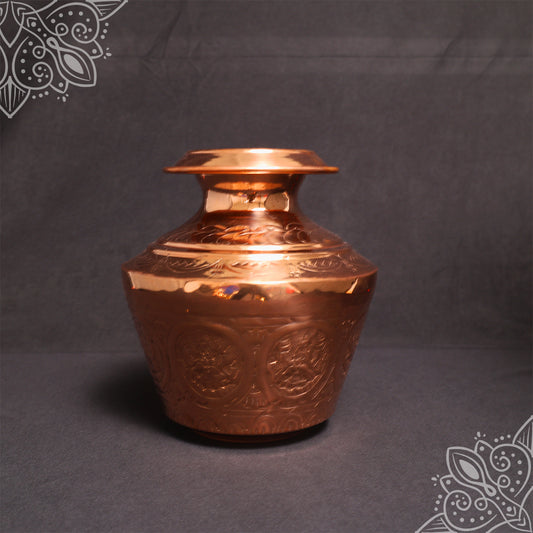
Copper Astalakshmi Kudam for Kalasam Puja & RitualsThe Copper Astalakshmi Kudam is a copper pot used in kalasa setup and larger devotional ceremonies. It's available in No.2, No.3, No.4 and No.5 Mittal sizes to suit different ritual scales. Spiritual Significance A filled kudam placed at the start of a ceremony is...
- From ₹ 2,464
-
₹ 2,720 - From ₹ 2,464
- Unit price
- per
Save ₹ 256 -
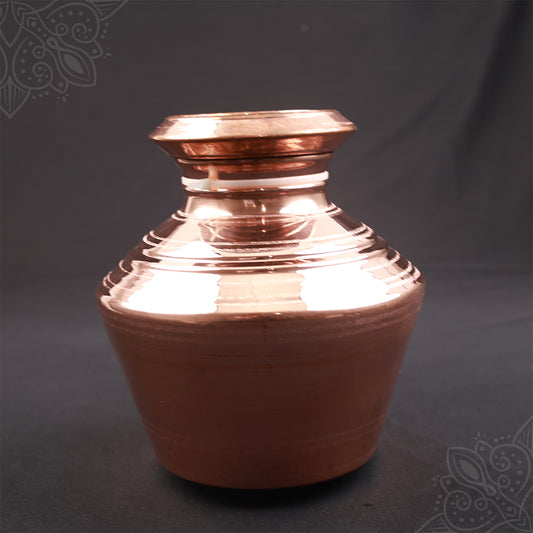
Kudam Copper for Holding Sacred WaterThe Kudam Copper is a copper pot used in kalasa setup and larger devotional ceremonies. It's available from 1 litre up to 7 litres, covering both small home rituals and larger gatherings. Spiritual Significance A filled kudam placed at the start of a ceremony...
- From ₹ 1,212
-
₹ 1,334 - From ₹ 1,212
- Unit price
- per
Save ₹ 122 -
Kudam Ashtalakshmi for Varalakshmi PujaThe Kudam Ashtalakshmi is a large copper pot used in kalasa setup and larger devotional ceremonies. This 5 litre variant holds enough water and grains for elaborate ritual arrangements. Spiritual Significance A filled kudam placed at the start of a ceremony is seen as...
- ₹ 2,816
-
₹ 3,098 - ₹ 2,816
- Unit price
- per
Save ₹ 282 -
Brass Astalakshmi Sombu for Sacred Puja & Temple UseThe Brass Astalakshmi Sombu is a small brass water vessel used in daily worship, traditionally kept near the altar for offering water during rituals. It's available in No.9 and No.10 Mittal sizes to suit different hands. Spiritual Significance Water offered from a brass vessel...
- From ₹ 682
-
₹ 760 - From ₹ 682
- Unit price
- per
Save ₹ 78 -
Sombu Brass Dwarka for Puja and Ritual UseThe Sombu Brass Dwarka is a brass water vessel used in daily worship, traditionally kept near the altar for offering water during rituals. This No.11 variant has a shape and finish distinct to the Dwarka style. Spiritual Significance Water offered from a brass vessel...
- ₹ 458
-
₹ 504 - ₹ 458
- Unit price
- per
Save ₹ 46 -
Sombu Brass for Sacred Puja RitualsThe Sombu Brass is a small brass water vessel used in daily worship, traditionally kept near the altar for offering water during rituals. It weighs a light 0.550 gms, easy to lift and pour. Spiritual Significance Water offered from a brass vessel is considered...
- ₹ 976
-
₹ 1,239 - ₹ 976
- Unit price
- per
Save ₹ 263 -
Sombu Brass for Puja RitualsThe Sombu Brass is a small brass water vessel used in daily worship, traditionally kept near the altar for offering water during rituals. It's available in No.9 and No.10 variants to suit different hands and altar sizes. Spiritual Significance Water offered from a brass...
- From ₹ 306
-
₹ 337 - From ₹ 306
- Unit price
- per
Save ₹ 31 -
Sombu Brass Manarkudi for Temple Puja UseThe Sombu Brass Manarkudi is a brass water vessel used in daily worship, traditionally kept near the altar for offering water during rituals. This No.10 variant carries the distinct shape and finish of the Manarkudi style. Spiritual Significance Water offered from a brass vessel...
- ₹ 389
-
₹ 428 - ₹ 389
- Unit price
- per
Save ₹ 39 -
Sombu Brass for Hindu RitualsThe Sombu Brass is a small brass water vessel used in daily worship, traditionally kept near the altar for offering water during rituals. This No.10 variant offers a comfortable, well-balanced size for regular use. Spiritual Significance Water offered from a brass vessel is considered...
- ₹ 311
-
₹ 240 - ₹ 311
- Unit price
- per
Save ₹ -71 -
Sombu Brass for AbhishekamThe Sombu Brass is a small brass water vessel used in daily worship, traditionally kept near the altar for offering water during rituals. It's available in No.9 and No.10 variants to suit different hands and altar sizes. Spiritual Significance Water offered from a brass...
- From ₹ 172
-
₹ 141 - From ₹ 172
- Unit price
- per
Save ₹ -31 -
Sombu Brass Veer for Puja Water OfferingThe Sombu Brass Veer is a brass water vessel used in daily worship, traditionally kept near the altar for offering water during rituals. This No.9 variant carries the distinct shape and finish of the Veer style. Spiritual Significance Water offered from a brass vessel...
- ₹ 250
-
₹ 213 - ₹ 250
- Unit price
- per
Save ₹ -37 -
Copper Astalakshmi Sombu for Puja & Kalasam RitualsThe Copper Astalakshmi Sombu is a small copper water vessel used in daily worship, traditionally kept near the altar for offering water during rituals. It's available in No.9 and No.10 Mittal sizes to suit different hands. Spiritual Significance Water offered from a copper vessel...
- From ₹ 683
-
₹ 760 - From ₹ 683
- Unit price
- per
Save ₹ 77 -
Sombu Copper for Kalasa Puja CeremoniesThe Sombu Copper is a small copper water vessel used in daily worship, traditionally kept near the altar for offering water during rituals. It's available in No.9 and No.10 variants to suit different hands and altar sizes. Spiritual Significance Water offered from a copper...
- From ₹ 392
-
₹ 432 - From ₹ 392
- Unit price
- per
Save ₹ 40 -
Sombu Copper for Sacred Water RitualsThe Sombu Copper is a small copper water vessel used in daily worship, traditionally kept near the altar for offering water during rituals. This No.10 variant offers a comfortable, well-balanced size for regular use. Spiritual Significance Water offered from a copper vessel is considered...
- ₹ 444
-
₹ 489 - ₹ 444
- Unit price
- per
Save ₹ 45 -
Sombu Copper Special for Sacred Water RitualsThe Sombu Copper Special is a copper water vessel used in daily worship, traditionally kept near the altar for offering water during rituals. It's available in 150 gms and 200 gms weights to suit different hands. Spiritual Significance Water offered from a copper vessel...
- From ₹ 286
-
₹ 315 - From ₹ 286
- Unit price
- per
Save ₹ 29
Kalasa Sombu: Brass & Copper Kalasam for Pooja
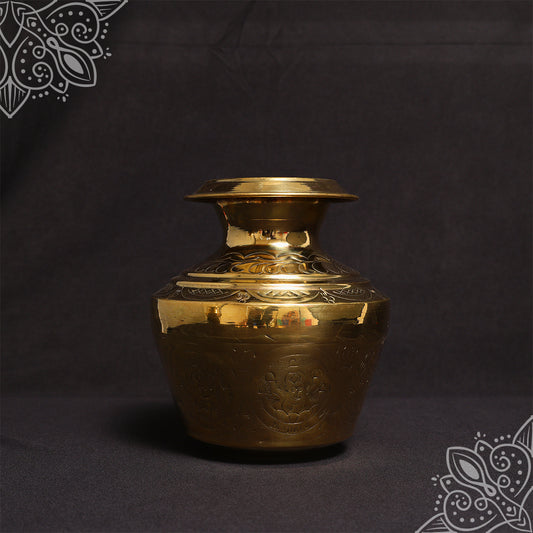

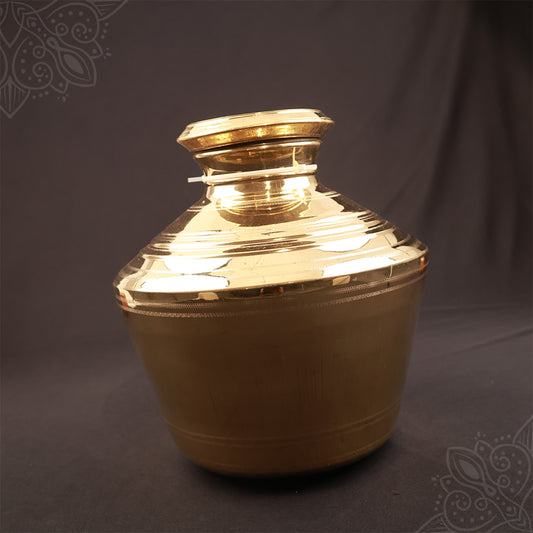














Shop Brass & Copper Kalasa Sombu and Kudam Online
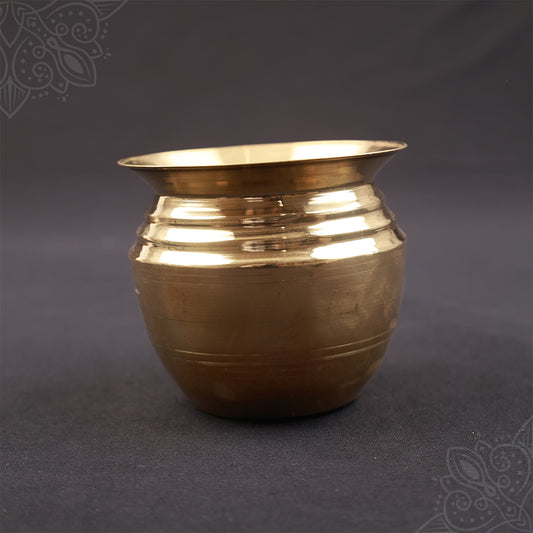
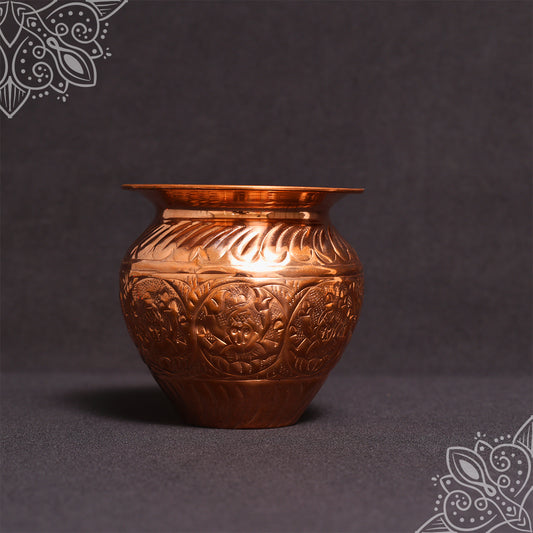
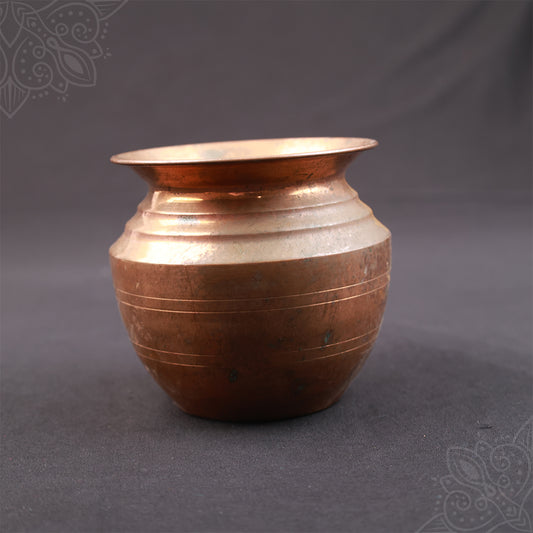
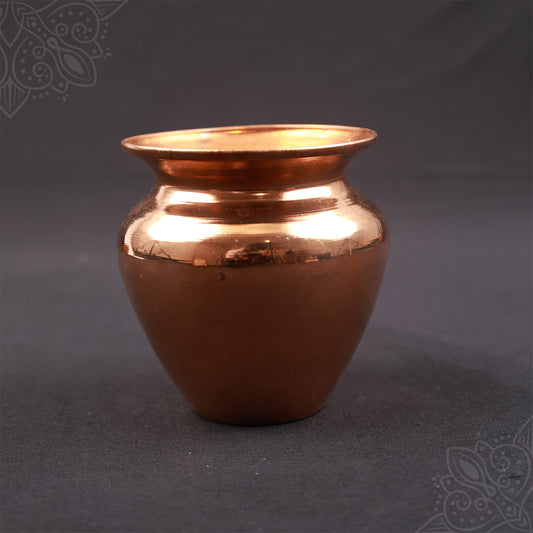
A kalasa sombu is the small water vessel kept beside the altar for daily offerings, and the larger kalasa kudam is the pot that anchors the setup at the start of a homam or Kumbabhishekam. Both come in brass and copper, so the choice usually comes down to which metal the ritual calls for and how much you want to hold. Brass is the everyday pick for a home altar. Copper is the prescribed choice for Kumbabhishekam and Vastu-linked rituals. Every sombu and kudam here is sold by trade number or litre capacity, ships ready to use, and is priced upfront, so temple trustees and families can compare before ordering. Whether you need a single Kumbakonam-style sombu for daily sandhya or a matched set of Ashtalakshmi kudams for a consecration, this is the full range.
Brass vs Copper: Comparison Table
|
|
Brass Kalasa Sombu |
Copper Kalasa Sombu |
|
Price range here |
₹172 to ₹1,297 |
₹286 to ₹2,816 |
|
Typical use |
Daily altar water offering, general pooja |
Abhishekam, Kumbabhishekam, Vastu-linked rituals |
|
Association |
Prosperity, Ashtalakshmi worship |
Purity, sacred water, Vastu balance |
|
Maintenance |
Polishes easily with tamarind or a brass cleaner |
Develops a natural patina; clean with lemon and salt |
|
Styles here |
Ashtalakshmi, Kumbakonam, Manarkudi, Dwarka, Sukhdatta, Tanish, Veer |
Ashtalakshmi, Kumbakonam, Special (150g/200g) |
Trade Numbers & Sizing
- Kudam (larger pots) are listed straightforwardly by capacity on the product pages: 1 litre up to 9 litres for brass, and 1 litre up to 7 litres for copper, with the Ashtalakshmi Kudam available as a fixed-size standalone variant.
- Sombu (smaller vessels) are sold by trade or Mittal number instead of litres. Most brass and copper sombu use No.9, No.10 and No.11, while the Astalakshmi Kudam range uses No.2 to No.7 Mittal. An exact cm-to-litre conversion table for each trade number is being finalised and will be added to individual product pages shortly.
Buying Guide
- Brass or copper: start with what your ritual calls for. If you're setting up a kalasa sombu for daily altar use, brass is the traditional, lower-maintenance choice. For Kumbabhishekam, homam, or any ritual where copper is specifically prescribed for holding sacred water, go with a copper sombu or kudam.
- Trade number and Mittal size decide how much it holds, not just how it looks. A No.9 sombu is smaller and lighter for daily hand-held offering, while No.10 and No.11 hold a bit more and suit an altar that stays set up through the day. Kudam sizes run from 1 litre for a small home altar to 9 litres for a large temple vessel.
- Ashtalakshmi vs. plain styles. The Ashtalakshmi kudam and sombu carry engraved goddess motifs and suit rituals centred on Lakshmi worship or a Varalakshmi Vratham setup. Plain Kumbakonam, Manarkudi, Dwarka, Sukhdatta, Tanish, and Veer styles are simpler, lighter, and are the everyday pick for a home altar or a temple that buys in volume.
- Maintenance matters more with copper. A copper sombu darkens with use. This isn't damage, it's a natural patina. A quick clean with lemon and salt, or tamarind for brass, restores the shine before a ceremony. If low maintenance is a priority and no ritual mandates copper, brass may be the simpler day-to-day choice.
- Buying for a temple or bulk ceremony? Several styles here list multiple trade-number variants on one product page, making it easier to order a matched set of sizes together. Reach out for bulk pricing if you're sourcing for a Kumbabhishekam or a temple's annual stock.
For the rest of your kalasam setup, we carry the full set alongside the sombu and kudam range: puja samagri for the ritual items around it, deity cloth for the kalasa thundu, and a gopura kalasham for temple finials.
FAQs
1. Should I choose a brass or a copper kalasa sombu?
Brass is the traditional, lower-maintenance choice for daily altar use. Copper is generally preferred for Kumbabhishekam, homam, and rituals where copper is specifically prescribed for holding sacred water. Choose based on what your ritual or priest calls for.
2. What do the model numbers (No.9, No.10) mean in cm and litres?
The trade number indicates relative size. Within the same style, a higher number generally holds more than a lower one (No.9 to No.11 for sombu, No.2 to No.7 Mittal for kudam). We're finalising an exact cm-to-litre conversion table, which will be added to product pages shortly.
3. Which sombu size is used for Kumbabhishekam?
This depends on the specific ceremony and the officiating priest's requirement. Larger trade numbers (No.10, No.11) and copper are commonly preferred for Kumbabhishekam, but confirm the exact size with your priest before ordering.
4. How do I clean and maintain a brass sombu?
A brass sombu can be polished back to shine with tamarind pulp or a standard brass cleaner, rubbed gently and rinsed with water. Regular cleaning after each use prevents tarnishing from building up.
5. Do you supply kalasa sombu in bulk for temple ceremonies?
Bulk orders for temple ceremonies and Kumbabhishekam are supported. Contact us with the quantity and preferred styles for a bulk quote.
Explore Related Temple & Puja Collections:
donation box for temple | soolam | automatic arti machine for temple | temple umbrella | star mirror for temple | pooja samagri online | deity clothes | deity jewellery | anaya deepam | kuthu vilakku | temple bell | aarti items | temple interior design

Handcrafted with care

Customisation Done

Temple interior Specialist
- Choosing a selection results in a full page refresh.
