








Pooja Samagri List: Basic Items for Daily Pooja at Home (with Tamil Names)

Whether you are setting up your first pooja room or simply restocking, it helps to have a clear list of what you need. Daily pooja does not require a long list of items, but each one has a purpose, and running out of camphor or thiri just before the evening lamp is lit is something every household has experienced. This pooja samagri list covers the basic items for pooja at home, with their Tamil names, what each one is used for, and how much to keep in stock. You can find every item on this list in our pooja samagri collection.
What is pooja samagri?
"Samagri" simply means materials or ingredients. Pooja samagri is the set of items used to perform worship – the lamp and its fuel, fragrances, sacred powders, offerings and the vessels that hold them. The exact list differs between families, regions and traditions, but the core items are remarkably similar across South Indian homes.
The basic pooja samagri list
|
Item (English) |
Tamil name |
What it is used for |
|
Oil lamp |
Vilakku |
The flame is lit at the start of every pooja. Kuthu vilakku, kamatchi vilakku or agal. |
|
Lamp oil / ghee |
Nallennai / Nei |
Sesame oil or ghee to fuel the lamp. |
|
Cotton wick |
Thiri |
Cotton wicks for the lamp; keep spare thiri ready. |
|
Incense sticks |
Oodhuvathi / Agarbatti |
Fragrance offered to the deity and to purify the space. |
|
Sambrani |
Sambrani |
Benzoin resin or cup sambrani burned for its sacred smoke, especially on Fridays. |
|
Camphor |
Karpooram |
Lit on the aarti plate and waved before the deity at the end of pooja. |
|
Edible camphor |
Pachai karpooram |
Added to naivedyam, theertham and panchamirtham. |
|
Vermilion |
Kungumam (kumkum) |
Applied to the deity, the lamp and the forehead. |
|
Turmeric |
Manjal |
Applied to the threshold, the lamp and the kalasam; used for auspicious marks. |
|
Sandal paste / powder |
Santhanam / Chandanam |
Offered to the deity and applied to the forehead. |
|
Sacred ash |
Vibhuti / Thiruneeru |
Offered to Shiva and worn on the forehead. |
|
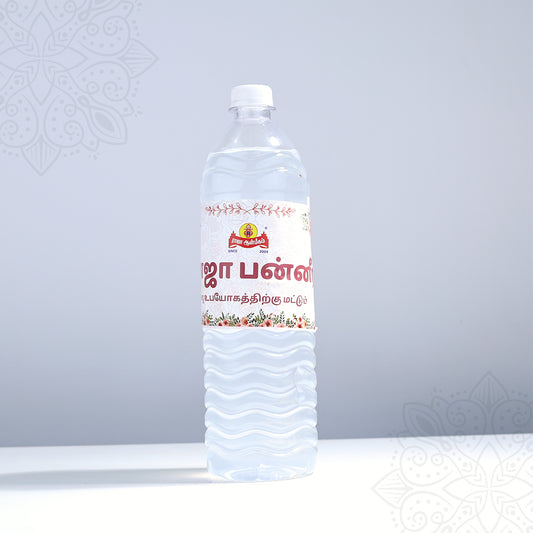
Rose water |
Panneer |
Sprinkled during abhishekam and to welcome guests. |
|
Water vessel |
Sombu / Kalasam |
Holds the water for pooja and abhishekam. |
|
Rice with turmeric |
Akshathai |
Showered as blessings and offered during archanai. |
|
Betel leaves and nuts |
Vetrilai paaku |
Offered with fruits as thamboolam. |
|
Flowers |
Poo |
Fresh flowers or garlands for the deity. |
|
Fruits and naivedyam |
Pazham / Naivedyam |
Food offered to the deity, later shared as prasadam. |
|
Bell |
Mani |
Rung during pooja and aarti. |
|
Aarti plate |
Aarathi thattu |
Holds camphor for the final aarti. |
|
Matchbox |
Theepetti |
Keep a dedicated matchbox in the pooja room. |
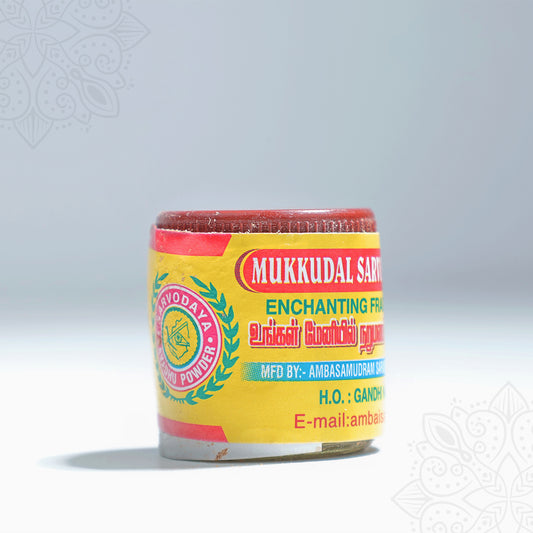
Many of these – sambrani, agarbatti, kumkum, manjal, chandan, vibhuti, pachai karpooram, thiri and panneer – are available in our pooja items range. For the water vessel, see our kalasa sombu collection.
A simple daily pooja routine using these items
Every family has its own way of performing pooja, but a simple daily routine usually follows this order:
-
Clean and prepare: wipe the mandir, remove old flowers and fill the sombu with fresh water.
-
Apply turmeric and kumkum: to the lamp and at the doorway of the pooja room.
-
Light the lamp: using oil or ghee and a cotton thiri.
-
Offer fragrance: light agarbatti or sambrani.
-
Offer flowers and akshathai: while chanting the names of the deity.
-
Offer naivedyam: fruits, milk or prepared food.
-
Aarti: light camphor on the aarti plate, ring the bell and wave the flame before the deity.
-
Apply prasadam: vibhuti, kumkum or sandal on the forehead.
How much pooja samagri should you keep at home?
A rough monthly guide for a family that performs pooja once or twice a day:
-
Thiri: one or two packets, depending on how many lamps you light.
-
Oil or ghee: about a litre of lamp oil; ghee for special days.
-
Agarbatti: two or three packets.
-
Camphor: one medium packet.
-
Sambrani: one box of cup sambrani or a pack of powder for weekly use.
-
Kumkum, manjal, vibhuti and chandan: one small pack each lasts several weeks.
-
Panneer and pachai karpooram: one small bottle and pack; replace when the fragrance fades.
Keep one extra packet of thiri, camphor and matchbox as a backup. These are the items families most often run out of.
Storing pooja items correctly
-
Keep kumkum, manjal, chandan and vibhuti in airtight containers so they do not absorb moisture and clump.
-
Store camphor in a closed box – it evaporates slowly when left open.
-
Keep sambrani and agarbatti in a dry drawer away from the lamp.
-
Store oil and ghee away from direct sunlight.
-
Keep pachai karpooram in a small sealed container, separate from regular camphor, since only pachai karpooram is used in food offerings.
Items for special days
On Fridays, Tuesdays, new moon (amavasai), full moon (pournami) and birthdays, many families add a few extra items: a garland instead of loose flowers, sambrani smoke throughout the house, panchamirtham for naivedyam, and an extra lamp. For festivals, the list grows further – see our festival pooja samagri list for Diwali, Varalakshmi Vratham, Vinayagar Chaturthi, Navaratri and Karthigai Deepam. If you are planning a homam at home, our homam samagri list covers samithu, ghee and herbs in detail.
Setting up a new pooja room: the one-time items
If you are moving into a new home or setting up a pooja space for the first time, you will need a few items that last for years, in addition to the consumables above:
-
A mandir or shelf with space for the deities, a lamp and offerings
-
Deity idols or photos, often starting with Vinayagar and the family deity (kula deivam)
-
At least one good lamp – a kuthu vilakku or a pair of kamatchi vilakkus
-
A sombu or kalasam for water
-
A bell and an aarti plate
-
Small bowls for kumkum, manjal, sandal and akshathai
-
A tray or plate for flowers and naivedyam
-
A pooja cupboard or box to store samagri away from dust and moisture
Once these are in place, the monthly consumables are all you need to keep the routine going.
Pooja samagri in English and Tamil: quick reference
When shopping online or reading an English list from your priest, a few names cause confusion. Kumkum is kungumam; turmeric is manjal; sandal is santhanam or chandanam; sacred ash is vibhuti or thiruneeru; edible camphor is pachai karpooram; benzoin is sambrani; betel leaves and nuts are vetrilai paaku; and cotton wicks are thiri. Our product names list both, so you can search either way.
Common mistakes when stocking pooja samagri
-
Buying loose powders that are exposed to air: they lose colour and fragrance quickly.
-
Mixing pachai karpooram with regular camphor: regular camphor must never be used in food.
-
Using synthetic wicks in an oil lamp: cotton thiri burns cleaner and steadier.
-
Buying very large packs of fragrant items: agarbatti and sambrani lose their fragrance over time; buy what you will use in a few mo
About RSS Online
At RSS Online (rssonline.in), we supply pooja essentials for South Indian homes, with every item listed by its English and Tamil name so it is easy to match against your own list. From daily items like thiri, sambrani, kumkum, manjal and camphor to lamps and kalasa sombu, you can restock your whole pooja cupboard in one place at rssonline.in.
In summary
A complete daily pooja does not need much: a lamp with oil and thiri, agarbatti or sambrani, camphor, kumkum, manjal, sandal, vibhuti, water, flowers, akshathai and naivedyam, with a bell and an aarti plate. Keep a small monthly stock, store powders in airtight containers, and always keep spare thiri and camphor. When it is time to restock, you will find every item on this list in our pooja samagri collection.
FAQs
Q1. What are the basic items needed for pooja at home?
The basic items are an oil lamp with oil and cotton thiri, agarbatti or sambrani, camphor, kumkum, turmeric, sandal, vibhuti, water in a sombu, flowers, akshathai, naivedyam, a bell and an aarti plate.
Q2. What is pooja samagri called in English?
Pooja samagri means "worship materials" – the items used in Hindu worship, such as incense, camphor, vermilion, turmeric, sandalwood, sacred ash, lamp oil and wicks.
Q3. What is the difference between karpooram and pachai karpooram?
Karpooram (regular camphor) is burned during aarti. Pachai karpooram (edible camphor) is used in small amounts in naivedyam, theertham and panchamirtham. Regular camphor must never be used in food.
Q4. How should kumkum and vibhuti be stored?
Store them in airtight containers in a dry place so they do not absorb moisture, clump or lose colour.
Q5. Is there a printable pooja samagri list?
Yes. You can print the list in this article and keep it in your pooja cupboard to make restocking easy.
