








Homam Samagri List: Items Needed for Ganapathi, Navagraha and Other Homams

A homam (also called havan or homa) is a fire ritual in which offerings are made into a sacred fire while the priest chants mantras. Families perform homams for new beginnings, health, peace and prosperity – Ganapathi homam before a griha pravesam, Navagraha homam to seek the blessings of the nine planets, and many others. The priest usually gives the family a list of items to arrange. This homam samagri list explains what those items are, what they are used for, and how to prepare so that nothing is missing when the fire is lit. Every item below is available in our homam samagri range.
Common homam samagri (needed for most homams)
For the fire
-
Homa kundam or bricks and sand: the fire pit. Many priests bring their own; confirm in advance.
-
Dry wood (viragu): small pieces of dry wood to build and sustain the fire.
-
Samithu: thin sacred sticks offered into the fire with mantras. The most common is arasu (peepal) samithu.
-
Ghee (nei): the main offering poured into the fire. Keep more than you think you need.
-
Camphor (karpooram): to light the fire.
-
Dharbha grass: used for purification and around the homa kundam.
Offerings into the fire (homa dravyam)
-
Rice and akshathai
-
Black sesame (ellu)
-
Navadhanyam: a mix of nine grains (see the Navagraha section below)
-
Dried herbs, roots and seeds: a blend of dried medicinal and fragrant herbs, often supplied as a ready homa mix
-
Dry flowers
-
Honey and jaggery
Pooja items around the homam
-
Kalasam: a sombu or kudam filled with water, kept beside the homa kundam and invoked during the ritual
-
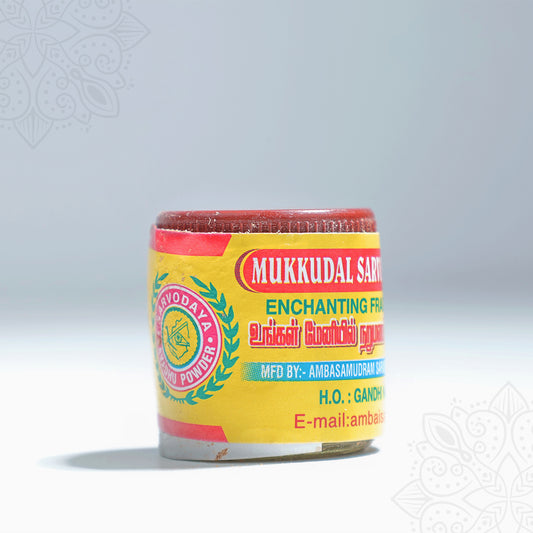
Turmeric (manjal), kumkum and sandal
-
Flowers and garlands
-
Betel leaves and nuts (vetrilai paaku), fruits and naivedyam
-
Poo nool (sacred thread) and vastram (cloth) for the kalasam
-
Agarbatti and sambrani
-
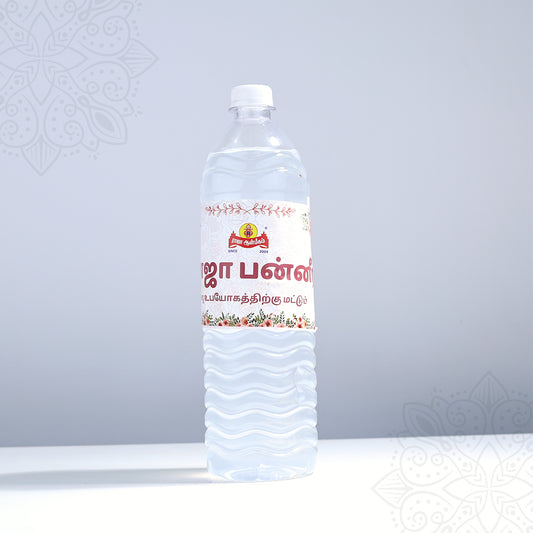
Panneer for sprinkling
-
Pasu komiyam (cow urine) and other panchagavyam items, if the priest asks for purification
Ganapathi homam items list
Ganapathi homam is performed at the start of new ventures, before griha pravesam and at the beginning of larger rituals. In addition to the common samagri above, priests commonly ask for:
-
Modakam / kozhukattai: Ganapathi's favourite offering
-
Arugampul (durva grass): sacred to Ganapathi
-
Ashta dravyam: a set of eight offerings – commonly aval (flattened rice), pori (puffed rice), sugarcane pieces, banana, coconut pieces, jaggery, sesame and honey or ghee. Lists vary between traditions.
-
Erukkam poo (calotropis flowers) or a garland
-
Turmeric Ganapathi: a small Ganapathi shaped from turmeric paste for the pooja
Navagraha homam samagri
Navagraha homam is performed for the nine planetary deities. Two items are specific to it:
Navagraha samithu (one for each graha)
|
Graha |
Samithu commonly used |
Navadhanyam (nine grains)
Wheat, rice, toor dal, green gram, Bengal gram, field beans (mochai), black sesame, black gram (urad) and horse gram (kollu) – one grain associated with each graha. Navagraha vastram in nine colours is also often required.
Havan samagri vs homam samagri
"Havan samagri" is the North Indian term and often refers to a ready mix of dried herbs, wood chips and resins sold in a packet. "Homam samagri" in South Indian practice usually means the full list of individual items – samithu, ghee, specific herbs and grains – that the priest requests. If your priest gives you a South Indian list, buy items individually rather than a generic havan mix.
How to prepare before the priest arrives
-
Get the list a week ahead. Some herbs and samithu are not available in general stores.
-
Separate items into labelled trays or bags: fire items, homa dravyam, pooja items and naivedyam.
-
Buy extra ghee and dry wood. Running short in the middle of a homam is the most common problem.
-
Prepare the space: a well-ventilated area, ideally with windows open, away from curtains and fans that blow directly on the fire.
-
Keep water and sand nearby for safety.
-
Prepare naivedyam in advance so the family can sit through the homam without interruption.
Setting up the homam space step by step
-
Choose the spot: a ground-floor room, terrace or open area with good ventilation. In apartments, check with the association about smoke and fire rules.
-
Protect the floor: place bricks, a metal homa kundam or a thick layer of sand on a tray so heat does not damage tiles.
-
Arrange seating: the priest usually sits facing east with the family beside or opposite; keep enough room to pass items safely.
-
Place the kalasam: on a plate of rice or a small stand near the homa kundam, decorated with mango leaves and thread.
-
Keep items in reach: the priest should be able to reach ghee, samithu and homa dravyam without getting up.
-
Switch off fans that blow directly on the fire, and remove curtains or loose cloth nearby.
Homam safety at home
A homam fire can grow larger than people expect, especially when ghee is poured. Keep a bucket of water and a bucket of sand within reach, keep children and pets at a safe distance, and never leave the fire unattended until it has burned down completely. If smoke alarms are installed, inform the household beforehand. Allow the homa kundam and ash to cool fully – often several hours – before collecting the bhasmam or moving the kundam.
Quality matters
Homam samagri is offered into the sacred fire, so freshness and purity matter. Damp samithu smokes heavily, stale herbs lose their fragrance, and adulterated ghee burns poorly. Buy from a supplier who stores dried items properly and replaces stock regularly. Our homam items include samithu, dry wood, more than 30 dried seeds, roots and herbs, dry flowers and pure ghee, listed by their Tamil names so you can match them to your priest's list.
After the homam
The ash (homa bhasmam) is traditionally collected once the fire has cooled and kept as prasadam or applied on the forehead. The kalasam water is sprinkled around the house. Leftover unused samagri can be stored for future poojas, but any item that was offered into the fire or used on the kalasam should be disposed of respectfully – many families immerse it in flowing water or place it at the foot of a tree.
About RSS Online
RSS Online (rssonline.in) is your source for homam samagri, including samithu, dry wood, dried seeds, roots, herbs, dry flowers and pure ghee, all named in Tamil so you can match them to your priest’s list. Order early from rssonline.in so everything is ready before the homam begins.
In summary
Every homam needs a core set of samagri – dry wood, samithu, ghee, camphor, dharbha, homa dravyam and pooja items around a kalasam – plus items specific to the homam being performed, such as modakam and arugampul for Ganapathi homam, or the nine samithu and navadhanyam for Navagraha homam. Get the list early, prepare in labelled trays and buy extra ghee and wood. For daily worship items, see our pooja samagri list, and for festivals, our festival pooja samagri list.
FAQs
Q1. What items are needed for a homam?
Common homam samagri includes dry wood, samithu, ghee, camphor, dharbha grass, rice, sesame, navadhanyam, dried herbs, a kalasam, turmeric, kumkum, sandal, flowers, betel leaves, fruits and naivedyam. Confirm the final list with your priest.
Q2. What is needed for Ganapathi homam?
Along with the common samagri, priests commonly ask for modakam, arugampul (durva grass), ashta dravyam offerings such as aval, pori, sugarcane and banana, and erukkam flowers.
Q3. Which samithu is used for Navagraha homam?
Commonly, erukku for Surya, palasa for Chandra, karungali for Angaraka, nayuruvi for Budha, arasu for Guru, athi for Shukra, vanni for Shani, arugu for Rahu and dharbai for Ketu.
Q4. Is havan samagri the same as homam samagri?
They refer to the same ritual. Havan samagri usually means a ready herbal mix used in North India, while homam samagri in South India means the full list of individual items the priest asks for.
Q5. How much ghee is needed for a homam?
It depends on the homam and its duration. Ask your priest for the quantity and keep a little extra, as running short of ghee is a common problem.
